
The quiet lifeline
Three-time Hearts of Gold nominee for artificial nutrition advocacy.
LEICESTER. There is a profound kind of courage required to translate personal medical vulnerability into a relentless force for other people's survival. In neighbourhoods across the UK, advocacy is often pictured as loud and public, featuring banners in the streets and megaphones in town squares. But the most vital advocacy is frequently the quietest kind, consisting of late night guidance, fierce administrative battles fought on behalf of the overwhelmed, and the steady, reassuring presence extended to those navigating a medical reality that much of the world barely understands.
For three consecutive years, in 2024, 2025 and 2026, that quiet, lifesaving work has earned Darren Carter a nomination for the Eyres Monsell Hearts of Gold Volunteer Awards.
Hosted and arranged by ward councillors Kaz Pickering and Elaine Pantling at the Eyres Monsell Club on Little John Road, the Hearts of Gold awards exist to honour the structural pillars of the local community. They celebrate the individuals whose labour of love keeps neighbours afloat. Yet while many nominees are recognised for traditional community service like tending green spaces, running youth clubs, or organising food banks, Darren was recognised for a sphere of advocacy that is both intensely specialised and profoundly necessary, supporting those who rely on artificial nutrition and tube feeding.
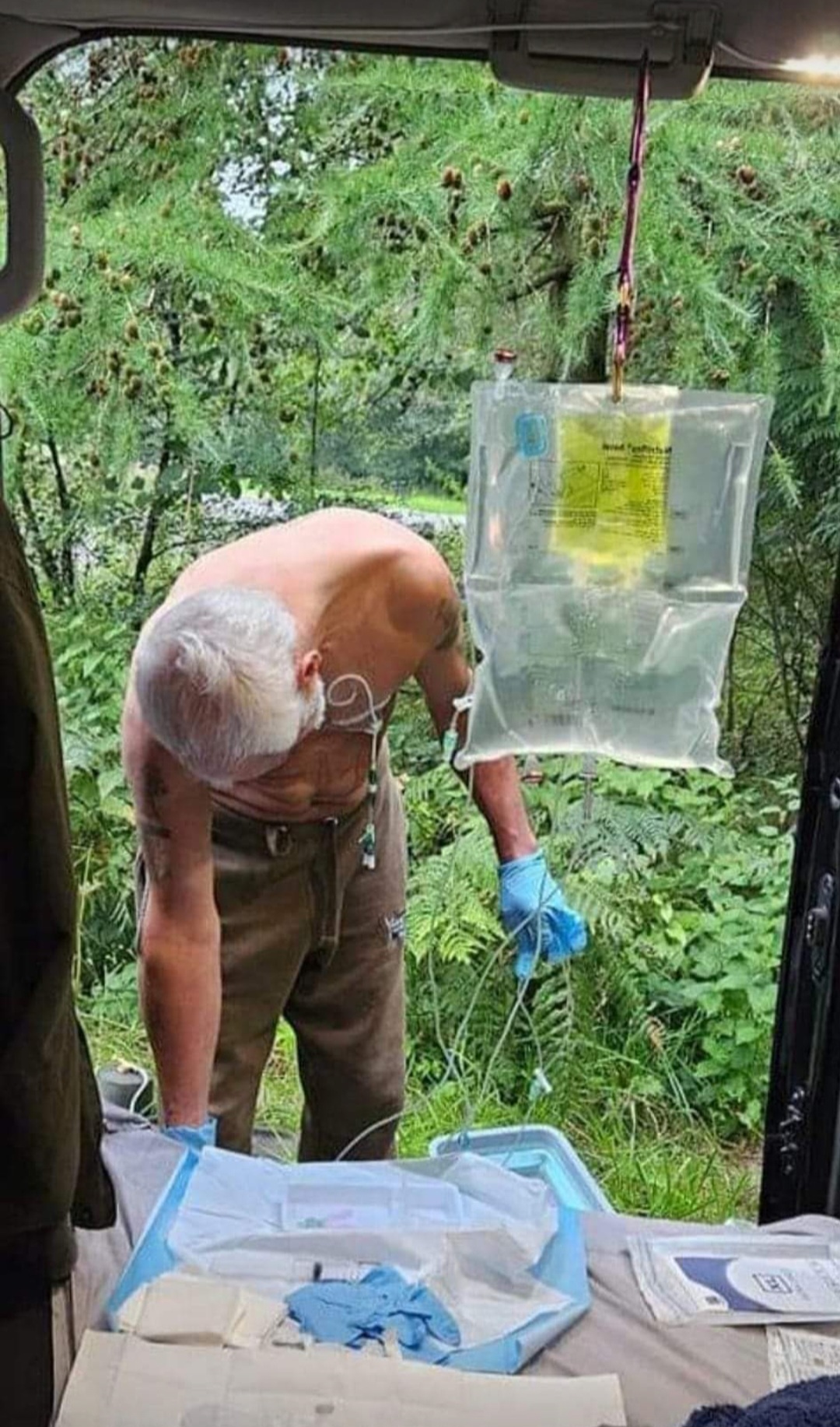
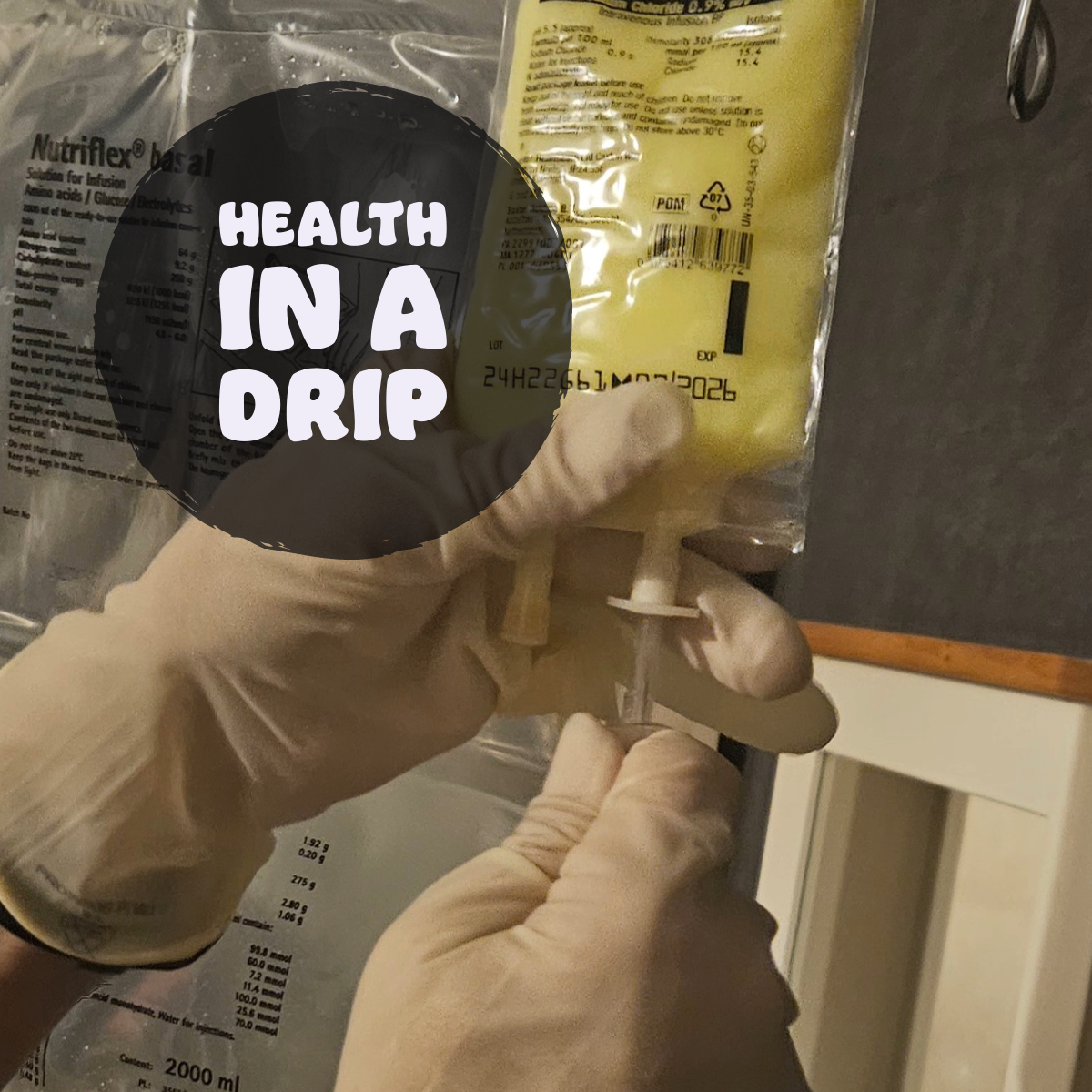
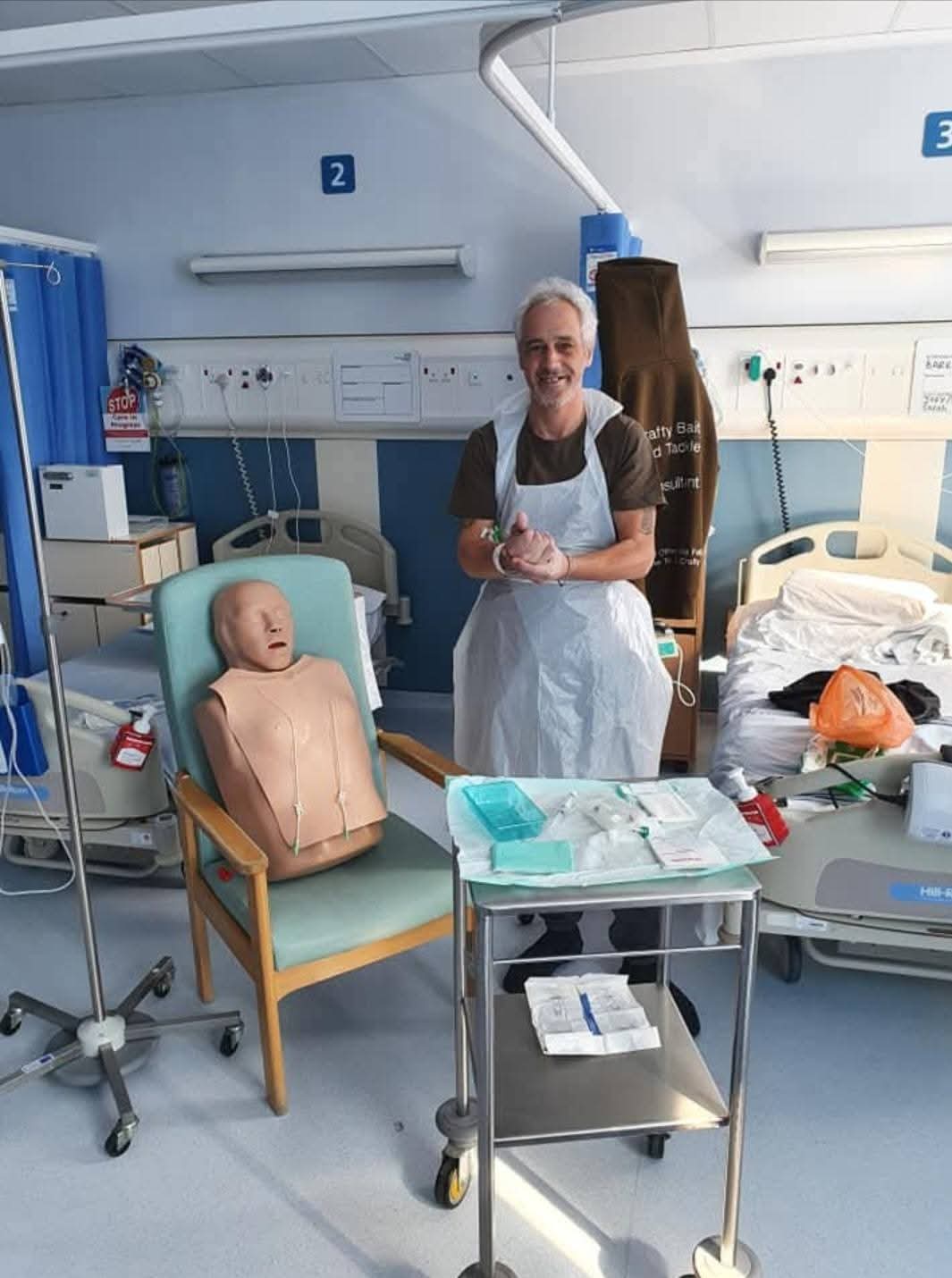
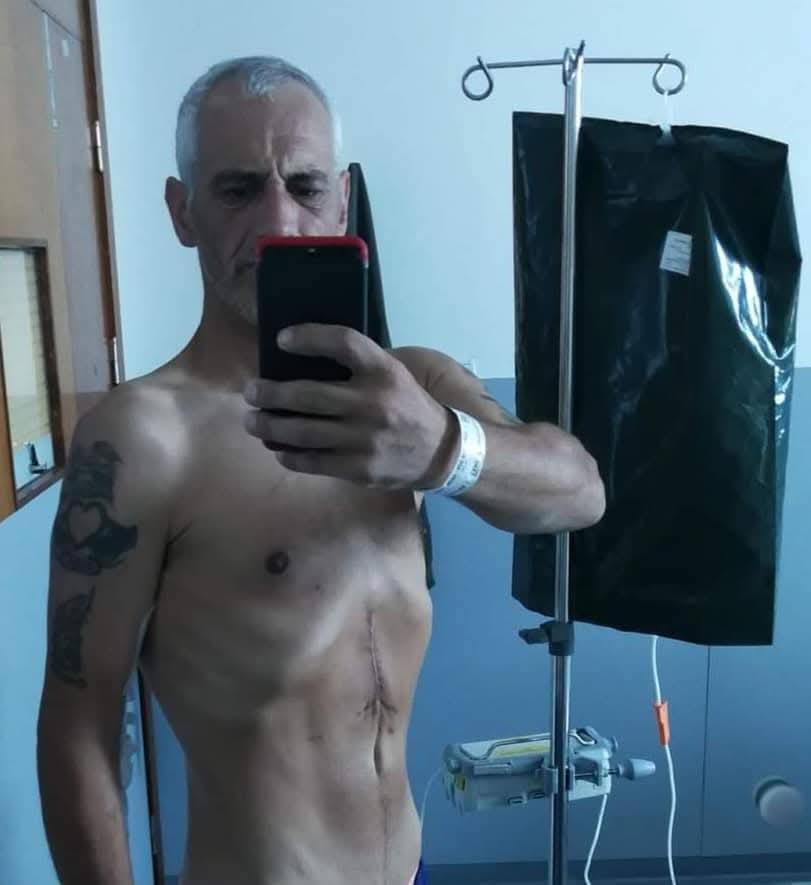
To live with a feeding tube or manage artificial nutrition is to inhabit a complex, often isolating landscape. The medical logistics alone are daunting, involving pumps, formulas, line management, and the constant vigilance against complications. But beyond the physical machinery lies a deeper vulnerability. Social isolation, dietary grief, and the struggle to navigate a medical system that frequently overlooks the lived experience of chronic illness and nutritional dependency.
This is where Darren stepped forward.
Through relentless, unyielding advocacy, Darren has spent years ensuring that others facing tube feeding never have to walk that path in the dark. Whether translating complex medical guidance into accessible human reassurance, fighting for better resources, or simply offering the profound comfort of being truly understood, the impact reaches far beyond the borders of Eyres Monsell. It is a form of advocacy that demands immense emotional resilience, turning private hardship into a public bridge of empathy.
The most vital advocacy is frequently the quietest kind.